
Diabetes Management: From Diagnosis to Daily Life
Michaela Anderson • April 28, 2025

April 28, 2025

Let’s cut through the noise. Diabetes isn’t just a “sugar problem”—it’s a chronic condition that affects how your body processes glucose. Whether your body doesn’t make enough insulin (Type 1), can’t use it properly (Type 2), or you’re dealing with pregnancy-induced changes (gestational diabetes), the result is the same: blood sugar levels go haywire.

It’s not just about sugar. It’s about energy, hormones, long-term organ health, and day-to-day living. And managing it? That’s both a science and an art.

The Moment of Diagnosis: What Now?

Receiving a diabetes diagnosis can be an overwhelming experience, often accompanied by feelings of fear, confusion, and even disbelief, which is a completely normal initial reaction; however, beyond this initial shock lies a journey of management that begins with confirming the diagnosis through blood tests, identifying the specific type of diabetes, establishing a relationship with a healthcare team that may include a doctor, nutritionist, and endocrinologist, and becoming familiar with essential terminology such as A1C, insulin resistance, glucose levels, and carbohydrates.

Understanding Your Type

Type 1 Diabetes

An autoimmune condition—your immune system mistakenly attacks insulin-producing cells. Usually diagnosed in childhood or adolescence, though it can show up later.

Type 2 Diabetes

Far more common. Often lifestyle-related but also heavily genetic. Your body still makes insulin but doesn’t use it efficiently.

The Power of Education

Ultimately, effective diabetes management hinges on knowledge; while an advanced degree isn’t necessary, understanding fundamental aspects such as how insulin functions, the impact of food on blood sugar, the effects of exercise on glucose levels, and the influence of stress, sleep, and illness on these dynamics empowers you to take the lead in your care, making informed decisions daily.

Building a Diabetes Management Plan

While diabetes management is a dynamic and individualized process, the fundamental pillars remain consistent: diligent blood sugar monitoring, the adoption of healthy eating habits, regular physical activity, adherence to prescribed medication or insulin therapy, and consistent attendance at regular medical checkups.

Monitoring Blood Sugar Like a Pro

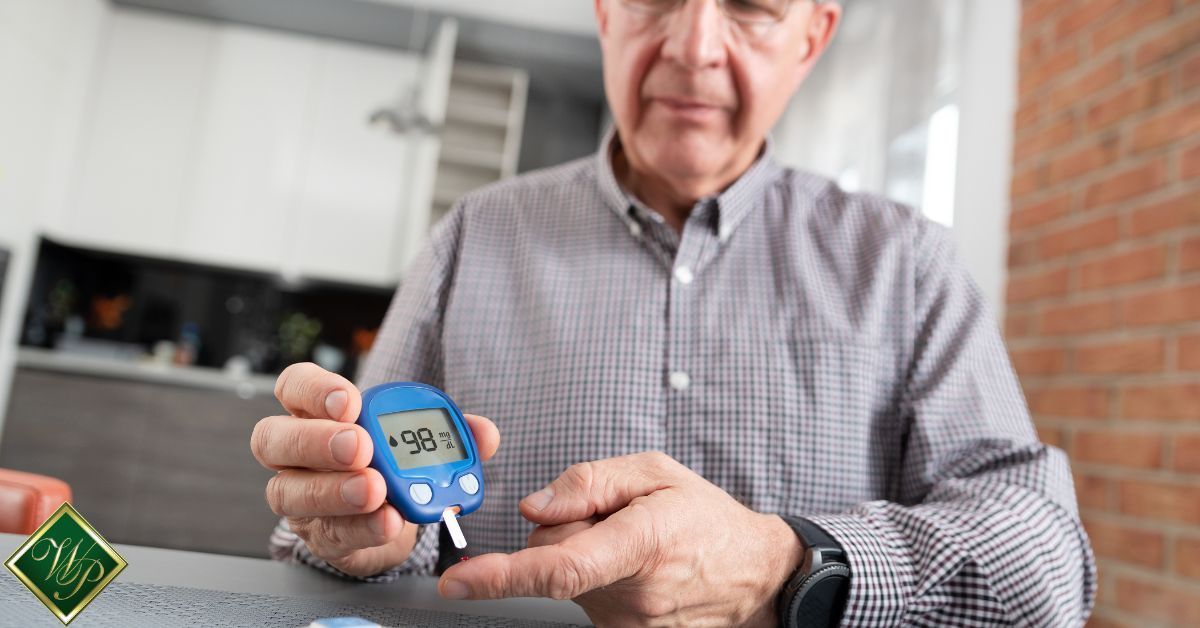
Regularly monitoring your blood glucose is akin to checking your car’s fuel gauge, providing essential information to navigate your diabetes management effectively; this can be done through finger prick glucose monitors, continuous glucose monitors (CGMs), or flash glucose systems, and it’s crucial to look beyond individual readings to identify patterns such as morning highs or post-meal drops, as these trends offer valuable insights into how your body is responding.

Food: Friend, Not Enemy

Adopting a balanced and mindful approach to eating is key in diabetes management, moving beyond restrictive diets to focus on making informed choices about the foods you enjoy; understanding the impact of carbohydrates and the glycemic index—recognizing that not all carbs affect blood sugar equally, with low-GI and high-fiber options promoting better glucose control and protein and fat aiding in steadier absorption—along with practicing consistent meal timing and portion control, and implementing smart substitutions like choosing brown rice over white, Greek yogurt over regular, and water over soda, can significantly contribute to effective blood sugar management.

Exercise: The Natural Insulin

Engaging in regular physical activity is incredibly beneficial for managing diabetes, as even a simple brisk walk following meals can help lower glucose levels; the goal isn’t necessarily intense workouts but rather aiming for at least 150 minutes of moderate aerobic exercise each week, complemented by two days of strength training, which offers the added advantages of improved mood, assistance with weight management, and enhanced insulin sensitivity.

elderly man checking his blood sugar - Whispering Pines diabetes managementMedication and Insulin: Know Your Tools

Oral medications, frequently prescribed for Type 2 diabetes, work to improve the body’s insulin utilization or increase its production, while insulin therapy, more commonly used for Type 1 but sometimes necessary for Type 2, can be administered through various methods such as injections, pens, pumps, and even inhalers; it’s important to view these treatments not as a burden but as valuable tools, similar to eyeglasses for vision correction, that help manage the condition effectively.

Mental Health Matters

It’s important to acknowledge that diabetes management can lead to burnout due to the constant demands of monitoring, tracking, and planning, and this stress can even impact blood sugar levels by increasing cortisol; effective coping strategies include seeking support from a therapist, connecting with a support group, incorporating mindfulness or meditation practices, and adopting a self-compassionate approach that values progress over unattainable perfection.

Building a Support System

Navigating diabetes doesn’t have to be a solitary journey; drawing strength and support from family and friends, engaging with online communities, connecting with diabetes educators, and participating in local support groups can provide invaluable companionship in sharing both successes and challenges, making a significant positive impact on the overall experience.

Tech to the Rescue

In our current era of advanced technology, a wealth of tools exists to simplify diabetes management, including apps for monitoring glucose, meals, and exercise, smartwatches with integrated glucose tracking, telemedicine for convenient doctor consultations, and AI-driven insights for analyzing trends; the key is to leverage these technologies to ease your daily routine without adding unnecessary complexity.

Daily Life with Diabetes

Becoming attuned to your body’s signals will allow you to recognize the sensations associated with blood sugar fluctuations, enabling you to confidently manage meal preparation, vacation planning, and dining out; essential strategies for proactive diabetes management include consistently carrying snacks, avoiding skipped meals, wearing a medical identification bracelet, preparing a diabetes emergency kit, and educating those in your immediate circle about your condition.

Dealing with Complications

Neglecting diabetes can result in significant health complications, underscoring the importance of proactive management through regular eye examinations, monitoring kidney function, diligent foot care, and maintaining healthy blood pressure and cholesterol levels; prioritizing these preventative measures is key to staying ahead of potential issues and safeguarding long-term well-being.

Living, Not Just Managing

Diabetes is a part of your life—not your whole story. With the right tools, knowledge, and mindset, you can thrive. You’ll have off days. You’ll have amazing ones too. Keep going, keep learning, and most importantly—keep living.

You’re not alone on this road. And you’ve got everything it takes to walk it strong.

Young man assisting an elderly woman in a bright room, both smiling warmly.
By Michaela Anderson April 30, 2025
Aging is an inevitable part of life, but how we experience it can vary drastically depending on the support systems around us. Senior care, at its core, is a collection of services and resources specifically designed to meet the evolving needs of older adults. It’s more than just physical assistance—it’s about nurturing independence, maintaining dignity, […] The post What is Senior Care? Defining Services and Support for Older Adults appeared first on Whispering Pines Assisted Living Inc..

Two people in a garden, one seated and one standing behind, surrounded by colorful flowers
By Michaela Anderson April 23, 2025
Making the decision to move into assisted living—either for yourself or a loved one—isn’t easy. It’s a deeply personal choice that blends emotions, practical needs, finances, and long-term well-being. But if you’re here, chances are you’re already thinking about what the future might look like with a little more support. So let’s walk through the […] The post Is Assisted Living Right for You or Your Loved One? Key Considerations appeared first on Whispering Pines Assisted Living Inc..

Two smiling women leaning close together indoors, one with gray hair, warmly lit by soft natural light
By Michaela Anderson April 22, 2025
When it comes to caring for aging loved ones, few decisions carry as much emotional weight as choosing the right assisted living facility. If you’re searching for assisted living near Anoka, MN, you’re not alone—and you’re certainly not without options. This area offers a range of compassionate, comfortable, and secure living environments designed specifically for […] The post Assisted living near Anoka, MN appeared first on Whispering Pines Assisted Living Inc..

Show More →